Table of contents:
- What is the difference between a Kayak and a Canoe?
- Which is easier to paddle?
- What are the best weather conditions for Kayaking?
- Good places to go Kayaking near Colonial Beach.
- Where to rent a Kayak in Colonial Beach.
- Some essential supplies you should take with you.
- What to do if you capsize.
- Final words on kayaking vs Canoeing.
What is the difference between a Kayak and a Canoe?
A kayak and a canoe are both small, lightweight boats designed for paddling, but there are some significant differences between the two.
First the shape of a kayak which is often built for only one person, on occasion for two, is usually narrow and more streamlined than a canoe. A kayak has a pointed bow and stern, and a canoe usually is wider with several seats to accommodate more people. The bow and stern on a canoe are often rounded.
The seating arrangement is also different in kayaks and canoes. In a kayak, the paddler sits with their legs extended in front of them and uses a foot pedal or rudder to steer. In a canoe, the paddler kneels or sits on a raised seat and uses their body weight to control the boat.
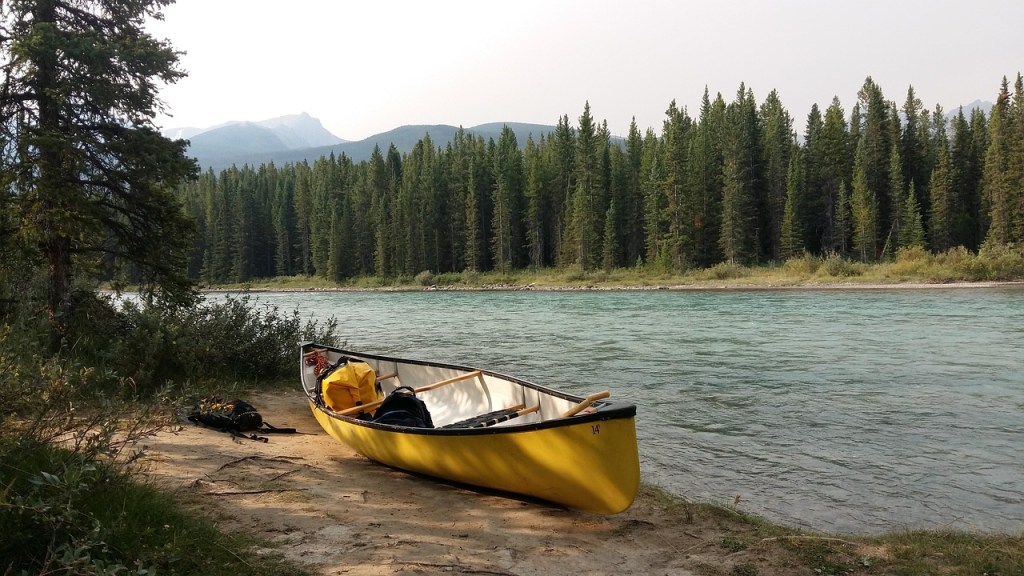

Another significant difference is the type of paddles used to move the boat. Kayaks typically use a double-bladed paddle, while canoes use a single-bladed paddle. Kayak paddles are usually shorter and wider than canoe paddles, which are longer and narrower.
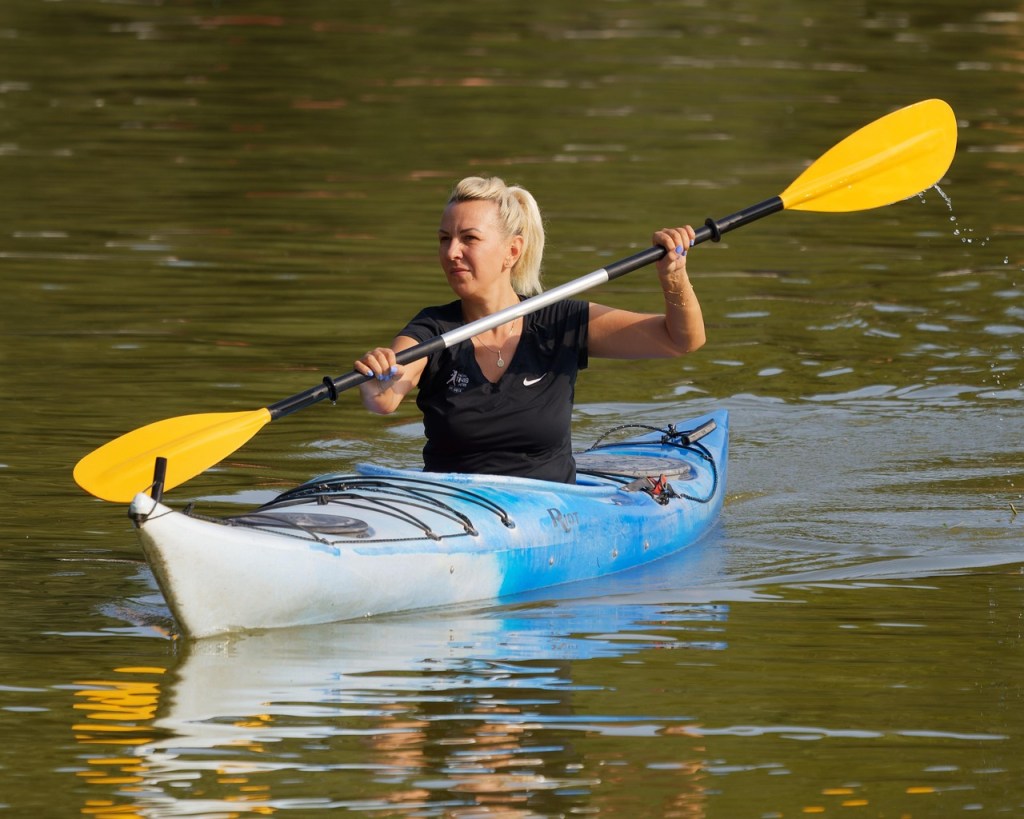
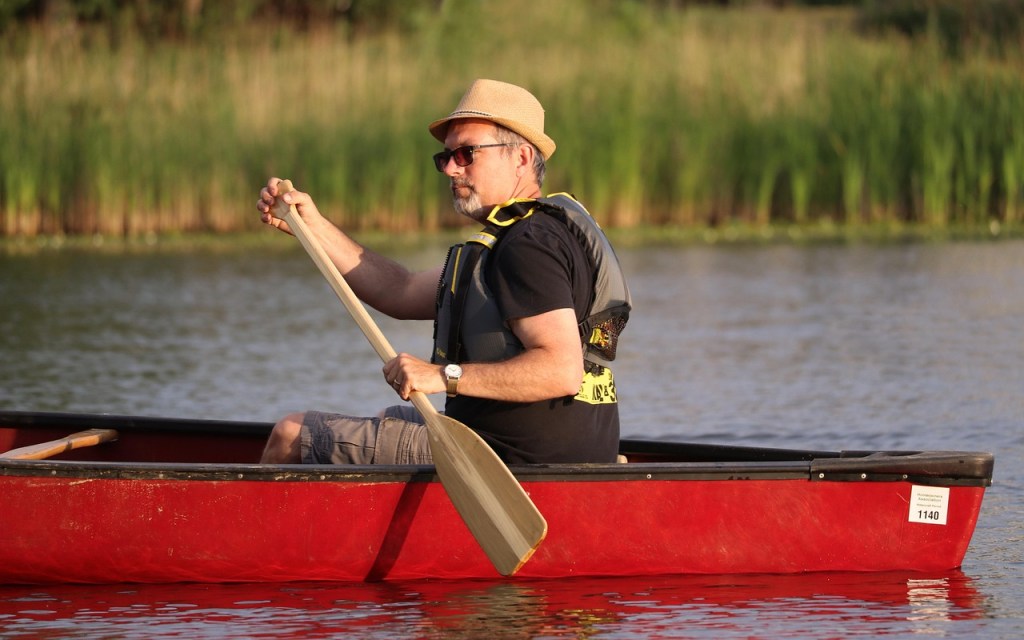
Both are often used for recreational purposes. Kayaks are used for activities such as touring, whitewater rafting, and fishing, while canoes are more commonly used for camping trips, fishing, and leisurely paddles on calm waters.
Overall, kayaks and canoes are both versatile and fun boats that offer different experiences on the water. Which one is right for you, will depend on your personal preferences and intended use.
Which is easier to paddle?
The ease of paddling a kayak or a canoe can depend on various factors such as the design of the boat, the skill level of the paddler, and the water conditions. However, in general, kayaks are often considered easier to paddle than canoes for a few reasons, stability, maneuverability and paddling technique. Let’s explore each of these factors.
It’s hard to believe that the kayak could be considered to be more stable than a canoe, looking at it’s size and construction, but like all things it depends on various conditions. Most kayakers will swear that in choppy or windy conditions a kayak’s low center of gravity makes it more stable than a canoe especially in choppy or windy conditions.
In calm water most people agree that a canoe is typically more stable than a kayak due to it’s flatter bottom and wider body. The fact that a canoes seating, puts a passenger at a higher level (either by kneeling or by sitting up on an elevated seat) puts the center of gravity higher and therefore harder to balance in rough weather.
In choppy water however most kayakers swear by the V-shaped hull of the kayak, which they feel provides more control so the rider can lean in the water rather than be flipped over.
This streamlined shape and V-shaped hull lends to the kayaks maneuverability, making it easier to turn and steer the vessel through tight spaces, while canoes can be more challenging to navigate in narrow channels or fast-moving water.
The last factor has more to do with how the person steers the boat. Kayaks typically use a double-bladed paddle, which allows for a more efficient and balanced paddling technique than the single-bladed paddle used in canoes.
Paddling a canoe can also be a rewarding and enjoyable experience, especially for those who prefer a more relaxed, leisurely pace on the water. Having a partner to help with paddling can also make the experience more enjoyable in more ways than one. The companionship makes paddling half as tiring and having an extra person is safer and more pleasant than being alone.


However if you enjoy the solitude a kayak can provide that but if you go it alone be sure to let someone know where you are going so they can check on you, in case bad weather rolls in suddenly. Also consider pairing up with other kayakers. This will give you the individual control over your boat but also the safety and companionship that traveling in pairs or groups provides.
Ultimately, the ease of paddling a kayak or a canoe will depend on personal preference, experience, and the specific conditions of the waterway being paddled.
What are the best weather conditions for Kayaking?
You might think this is a silly question, best weather conditions? Ya that would be calm and sunny! But there are a few other conditions you might want to take into consideration before heading out on you kayaking adventure.
The best weather conditions for kayaking can vary depending on the skill level of the kayaker, the type of kayak being used, and the intended location and activity.
In general, the following weather conditions are considered favorable for kayaking, calm winds, mild temperatures, clear skies, low humidity and safe water conditions.
Who can argue with calm winds, calm water? High winds can create choppy water conditions and make paddling more difficult, so it’s best to choose a day with light or no wind.
Mild temperatures will help ensure that a capsize doesn’t become a freezing emergency and kayaking is generally more comfortable in mild temperatures, between 50-80 degrees Fahrenheit, to avoid being too hot or too cold while paddling.
Of course clear skies means rain is less likely. While kayaking in the rain can be a unique experience, it’s generally more pleasant to kayak on a clear day with plenty of sunshine.
High humidity can make paddling feel more challenging, especially if you’re wearing a wet-suit or other gear that can trap heat and moisture. So opt for a low humidity day.

Although ‘water conditions’, isn’t technically a weather condition, it is important to make sure that the weather in the area you plan to go kayaking is calm and is going to stay that way for the duration of your outing while you’re in the water. So always check the local weather and water conditions before kayaking, and avoid paddling during storms or in rough, fast-moving water.
Also be aware of changing conditions such as accelerated currents caused by rapids or other tributaries connecting to the one you’re paddling in.
Good places to go Kayaking near Colonial Beach
So where is the best place to go kayaking in or around Colonial Beach?
Colonial Beach, Virginia, is located on the Potomac River and offers several options for kayaking and other water-based activities. Here are some areas that are good for kayaking near Colonial Beach:
- Monroe Bay: This protected bay on the west side of Colonial Beach is an excellent spot for kayaking, especially for beginners or those looking for calmer waters. It offers views of the town’s waterfront and a chance to see local wildlife such as ospreys, herons, and eagles.
- Mattox Creek: Mattox Creek is a tributary of the Potomac River that runs through Westmoreland County. It’s a popular kayaking destination with several launching points and scenic routes, including the Mattox Creek Trail.
- Caledon State Park: Located about 30 minutes south of Colonial Beach, Caledon State Park offers 2.5 miles of shoreline on the Potomac River and is an excellent destination for kayaking and wildlife viewing. The park also has several hiking trails and picnic areas.
- Dahlgren Railroad Heritage Trail: This 16-mile trail runs through the Potomac River National Wildlife Refuge and offers access to several launch points for kayaking and canoeing. The trail follows an old railroad bed and offers scenic views of the river and surrounding forests.
- Machodoc Creek: Machodoc Creek is another tributary of the Potomac River located south of Colonial Beach. It’s a popular kayaking spot with several launch points and opportunities to explore the creek’s marshy ecosystem and historic landmarks, such as the historic Glebe Episcopal Church.
Where to rent a Kayak in Colonial Beach
First there is the Ferry Landing Pier, located just North of the Municipal Pier on the Public Beach area adjacent to the Boardwalk.
Here you can rent Kayaks and Paddle Boards. Open from Memorial Day Weekend to Labor Day Weekend you can rent boats or boards on Thursday, Friday, Saturday and Sunday depending on the weather. However, if it is raining or windy where the water is not navigable rentals are suspended until conditions are safe.
Some essential supplies you should take with you.
When going kayaking, it’s important to bring essential supplies that can ensure safety, comfort, and enjoyment during the trip. Here is a list of supplies a kayaker should bring with them:

- Personal Flotation Device (PFD): A PFD, also known as a life jacket, is a must-have for any kayaking trip. It can keep the kayaker afloat in case of an accident or unexpected entry into the water.
- Paddle: A paddle is the primary tool used for maneuvering the kayak. Make sure to choose a paddle that’s appropriate for the size and type of kayak being used.
- Dry Bag: A dry bag or waterproof container used to store valuable items such as phones, wallets, and keys, as well as extra clothing or other gear. It can protect these items from getting wet or damaged. Consider putting an empty sealed water bottle or Styrofoam in the bag to make it float in case it goes overboard.
- Sun Protection: When kayaking in the sun, it’s important to protect the skin from harmful UV rays. Bring sunscreen with a high SPF rating, sunglasses, and a hat to protect the face and eyes from direct sunlight. Remember to take care of your hair and skin after a day of fun in the sun.
- A waterproof camera, like a go-pro is a great luxury item to capture scenic views and record your memorable adventures.
- A whistle makes a great noise maker in case you capsize or get separated from your vessel. It can make locating you in choppy water, much easier for first responders.
- Water and Snacks: Staying hydrated and fueled is essential during a kayaking trip, especially in warm weather. Bring plenty of water and snacks such as energy bars, fruit, or trail mix to keep energy levels up during the trip.
- A first aid Kit in case you get injured.
- A map or GPS device to help keep you oriented, especially when kayaking in unfamiliar waters.

First Aid

Navigation

Food
What to do if you capsize.
Finally it’s important to take some lessons before going kayaking. It’s also important to know what to do in case you find yourself in a capsized kayak.

It’s important to stay calm and follow proper techniques to free yourself safely. Here are the steps you can take to free yourself from a capsized kayak:
- Stay Calm: Don’t panic, take a deep breath, (if you’re not submerged!) and assess the situation. It’s important to remain calm and focused to avoid making the situation worse.
- Secure Your Paddle: Hold onto your paddle with both hands or secure it to the kayak with a paddle leash if you have one. This will prevent it from floating away.
- Exit the Kayak: To exit the kayak, first remove your feet from the foot pedals or thigh braces. Then, push yourself away from the kayak while holding onto the paddle. Try to swim to the surface by pulling up on the paddle as you kick your feet towards the surface.
- Surface and Float: Once you’ve exited the kayak, surface to the top of the water and float on your back, keeping your head above water. If you’re wearing a PFD, it will keep you afloat. If you can’t reach your vessel and you’re not wearing a PFD then lying flat on your back with arms stretched beside you will help to keep you afloat and rested so when help arrives you’ll have energy to alert them. (This position also makes you look larger for air planes or helicopters flying overhead, searching for you.)
- Retrieve the Kayak: If possible, retrieve your kayak by holding onto the paddle and swimming to it. If you can’t reach it, signal for help or try to swim to shore. Use the back floating technique often to rest if you’re a long way from shore or in water above your head.
- Re-enter the Kayak: If you’re able to retrieve the kayak, try to re-enter it by flipping it over, pulling yourself up onto it, and then moving your legs and hips to get back into the seat. Alternatively, you can also perform a “wet exit,” which involves removing the spray skirt and re-entering the kayak from the water.
It’s important to practice capsizing and self-rescue techniques in calm, shallow water before attempting them in more challenging conditions. This will help you build the skills and confidence to handle a capsized kayak in a real-life situation.
Final Words On Kayaking vs Canoeing.
Water sports like Kayaking can be a lot of fun as long as you’re prepared with a good list of equipment and supplies and the knowledge needed to operate your vessel.
Remember, It’s essential to check the weather forecast and water conditions before heading out for a kayaking trip, and always wear appropriate gear, including a life jacket and sun protection. Remember that weather conditions can change quickly, so it’s important to be prepared and flexible during a kayaking trip.
Provide someone with your itinerary, always let someone know you’re going and where you will be as well as possible detours you might take after planning your trip.
A Gals gotta eat! Some of the links here on this site may be affiliate links. Which means I may earn a commission if you click on any of them and/or purchase from those links. However my commission will not cost you any extra.
Table of contents:
- What is the difference between a Kayak and a Canoe?
- Which is easier to paddle?
- What are the best weather conditions for Kayaking?
- Good places to go Kayaking near Colonial Beach.
- Where to rent a Kayak in Colonial Beach.
- Some essential supplies you should take with you.
- What to do if you capsize.
- Final words on kayaking vs Canoeing.
 Tour Colonial Beach
Leave a comment